












 Times Square photograph: courtesy of Nasdaq.
We kept finding that foundation missing, including in our own business.
Before Aira, our team ran sales at a high-growth software company. We saw the pattern in our own numbers first. A minority of customers produced most of the revenue, churned less and grew faster. Our CRM could not reliably tell us which other companies looked like them.
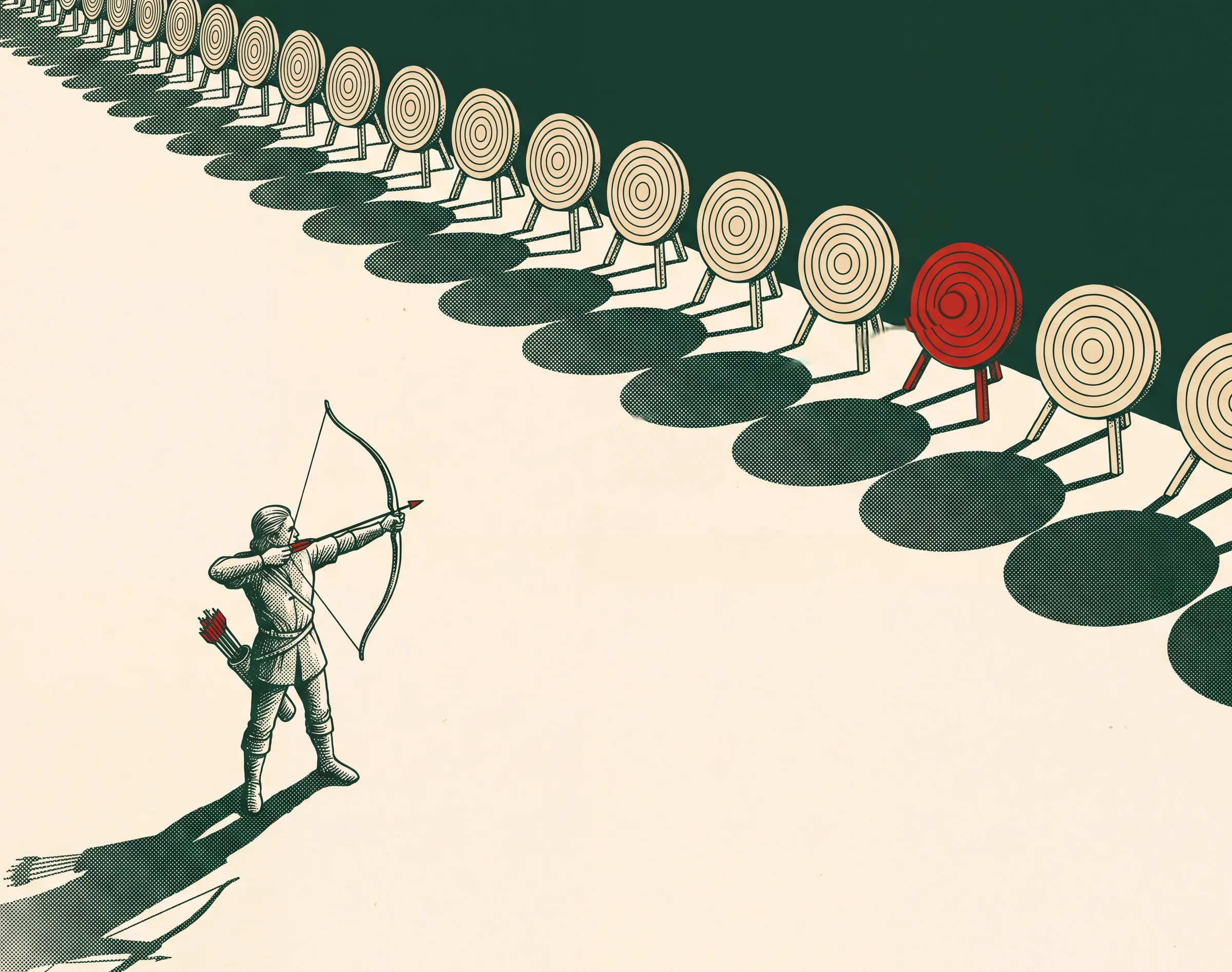
When we built target lists, thousands of records collapsed into a fraction of that number of real companies. Many were miscoded. Many were out of date. Our best results came from work that did not scale: reading annual reports, tracking what was changing at target companies, mapping boards and group structures by hand.
We looked for a better way and found three options, none of which solved the problem.
CRM data decays from the day it is entered, and in most organisations nobody’s job is to keep it current. Standard company databases classify businesses with codes that are frequently wrong, and filter on the same variables every competitor filters on. General-purpose AI fills the gaps fluently, but it cannot show its source, and it is often wrong.
So we built Aira.
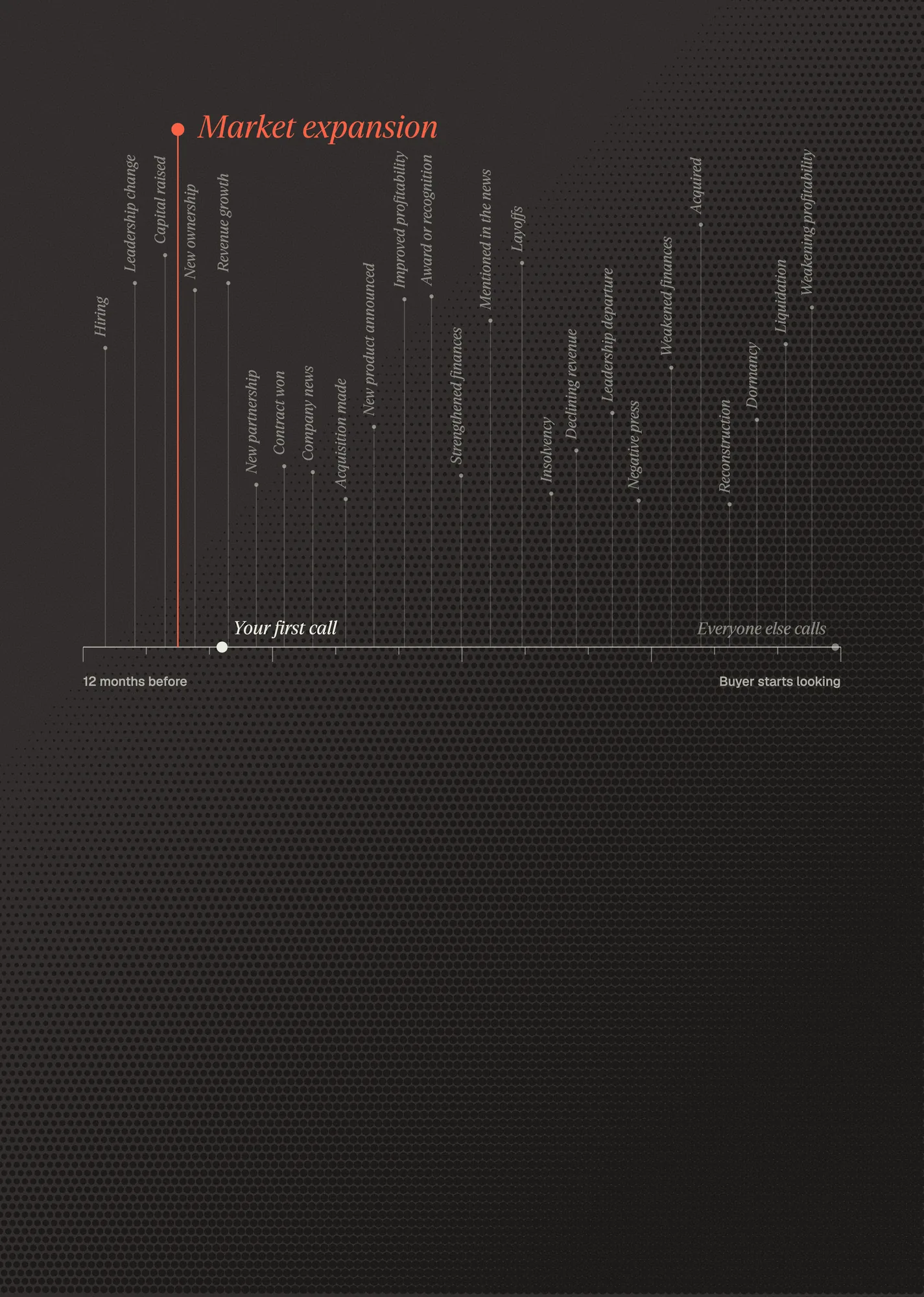
Aira is an intelligence layer that sits on top of the CRM teams already use. It provides premium financial and corporate data, drawn from official registries and finance-grade institutional sources, and keeps it continuously updated. It monitors news and company websites for every account, so changes surface when they happen, not months later. It syncs all of it directly into the CRM, where reps already work. And it lets teams deploy AI agents to find the specific company characteristics standard filters cannot, built on verified data rather than guesswork.
The most effective sales teams do not have better instincts than everyone else. They have better information, and they keep it true.
That is the gap we saw. It is why we built Aira.